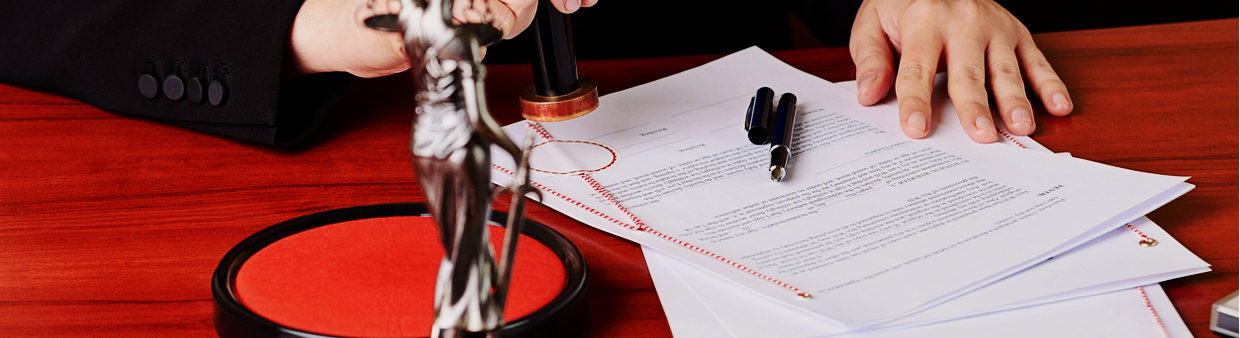
Getting an apostille in Ireland is a well-established process, but it can be confusing if you've never done it before. Different types of documents require different preparation, and getting the steps wrong can mean delays and additional costs. This guide walks you through the entire process from start to finish, ensuring your documents are correctly prepared and apostilled as efficiently as possible.
Step 1: Determine Whether You Need an Apostille
First, check whether the destination country is a member of the Hague Apostille Convention. If it is, an apostille is the correct authentication route. If not, you'll need consular legalisation instead.
You can check the current list of member countries on the Hague Conference website. As of 2025, over 120 countries are members, including all EU states, the UK, the US, Australia, and most countries worldwide.
Step 2: Identify Your Document Type
The process depends on whether your document is a public document or a private document:
- Public documents — issued by a government authority (birth certificates from the GRO, court orders, certificates of incorporation from the CRO, Garda vetting certificates) — can generally be apostilled directly by the DFA without notarisation.
- Private documents — contracts, powers of attorney, personal statements, corporate board resolutions, academic transcripts from private institutions — must be notarised by a Notary Public first, and then the notarised document can be apostilled.
If you're unsure which category your document falls into, contact your Notary Public for advice.

Watch: Hugh Phelan — Notary Public, Douglas, Cork
Step 3: Get the Document Notarised (If Required)
If your document is a private document, you must have it notarised before submitting it for apostille. The notarisation process involves:
- Contacting a Notary Public and booking an appointment.
- Bringing the unsigned document, valid photo ID (passport), and proof of address.
- Signing the document in front of the Notary Public.
- The Notary Public affixes their official seal and signature.
For full details, see our guide on how notarisation works in Ireland.
Step 4: Submit to the Department of Foreign Affairs
The Department of Foreign Affairs (DFA) is the Competent Authority in Ireland for issuing apostilles. You can submit your document through several channels:
In Person (Dublin)
The DFA's Authentication Unit is located at Iveagh House, 80 St. Stephen's Green, Dublin 2. Walk-in service is available during office hours and can provide same-day apostilles. This is the fastest option if you're in Dublin or if time is critical.
By Post
You can post your document to the DFA's Authentication Unit. Include a cover letter explaining what you need, the correct fee, and a prepaid return envelope. Processing typically takes 5–10 working days, plus postage time.
Online (e-Apostille)
The DFA has been developing an e-Apostille system for certain document types. Check the DFA website for the latest information on online submission options.
Step 5: Receive Your Apostilled Document
Once the DFA has verified the signatures and seals on your document, they attach the apostille certificate. The apostilled document is then returned to you (or available for collection if you used the walk-in service).
The apostille certificate is a standardised form that confirms the authenticity of the document. It includes the country of origin, the name of the signer, and the DFA's own seal and signature. Once apostilled, the document is ready for use in the destination country.
Common Mistakes to Avoid
- Submitting a private document without notarisation: The DFA will reject private documents that haven't been notarised first.
- Using the wrong type of certification: A document certified by a Commissioner for Oaths or Garda cannot be apostilled — only notarised documents and public documents can.
- Forgetting to check the destination country's membership: If the country isn't in the Hague Convention, an apostille won't be accepted.
- Sending originals you can't replace: Consider whether you need to retain the original and send a notarised copy instead.
- Not allowing enough time: Factor in time for notarisation, DFA processing, and postage.
Apostille Costs in Ireland
The total cost of getting an apostille includes:
- Notarisation fee (if required): Fees vary depending on document complexity — contact Hugh Phelan's office on (021) 489 7134 for a quote.
- DFA apostille fee: Check the DFA website for current fees.
- Postage: If submitting by post, include the cost of registered post both ways.
For more detail, see our guide on how much an apostille costs in Ireland.
Timeline Summary
- Notarisation: Same day (with appointment)
- DFA walk-in (Dublin): Same day
- DFA postal: 5–10 working days
- Total (walk-in): 1 day
- Total (postal): 1–2 weeks
Frequently Asked Questions
How do I get an apostille in Ireland?
Determine if your document needs notarisation first (private documents do, public documents generally don't). Then submit it to the Department of Foreign Affairs for apostille — in person, by post, or online.
How long does it take to get an apostille in Ireland?
Walk-in at the DFA's Dublin office can be same-day. Postal applications take 5–10 working days. Notarisation adds a same-day step before DFA submission.
How much does an apostille cost in Ireland?
The DFA apostille fee is €40 per document. Notarisation (if required) is additional — contact Hugh Phelan's office for a quote on notarisation fees.
Need Help Getting an Apostille?
Hugh Phelan is a Solicitor and Notary Public in Cork who can notarise your documents and guide you through the entire apostille process. Contact his office at 021-489-7134 or email info@phelansolicitors.com.
📚 Related Guides
Hugh Phelan — Notary Public Cork
Solicitor & Notary Public appointed by the Chief Justice of Ireland. Over 20 years' experience. BCL (UCC), dual-qualified Ireland & England/Wales.
📍 Notary Public Cork — Hugh Phelan
Need a Notary Public in Cork? Hugh Phelan is a Solicitor & Notary Public appointed by the Chief Justice of Ireland, based at East Douglas Street, Douglas, Cork. Same-day appointments available.
Looking for a Notary Public in Cork?
Hugh Phelan is a Solicitor & Notary Public appointed by the Chief Justice of Ireland. Same-day appointments available.
Notary Public Cork — Book Now📞 +353-21-489-7134 · East Douglas Street, Douglas, Cork
Also see: Notary Services Cork