
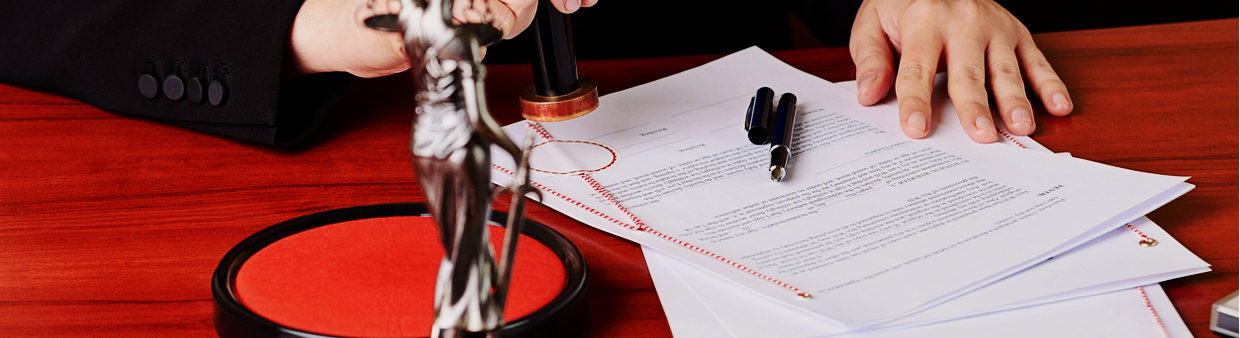
When a Notary Public notarises a document, they affix their official seal — a unique mark of authority that has been recognised across international borders for centuries. The notary seal is not merely decorative; it is the element that transforms a private document into one with public, international legal standing. This guide explains what the notary seal is, what it contains, and why it matters for your documents.
What Is a Notary Seal?
A notary seal is the official mark or stamp of a Notary Public. Every Notary Public in Ireland has their own unique seal, which they use to authenticate documents they notarise. The seal serves as the notary's official "signature of office" — it identifies who performed the notarial act and confirms their authority to do so.
The seal is personal to the individual notary. It is created when they are appointed by the Chief Justice and remains with them throughout their commission. When a notary retires or passes away, their seal is retired with them — no other person may use it.
A Brief History of the Notary Seal
The use of seals by notaries dates back to ancient Rome, where public scribes (notarii) used distinctive marks to authenticate official documents. In medieval Europe, as the office of Notary Public developed, the seal became the primary means of verifying that a document was genuine and had been properly witnessed.
The tradition continued through the centuries and remains in use today. While technology has changed many aspects of legal practice, the notary seal has endured because it fulfils a fundamental need — providing a universally recognisable mark of authentication that crosses language and jurisdictional barriers.
In Ireland, the tradition of the notary seal follows the common law practice, with the office of Notary Public being one of the oldest continuous legal offices in the country.
Watch: Hugh Phelan — Notary Public, Douglas, Cork
What Does a Notary Seal Contain?
While designs vary between individual notaries, an Irish notary seal typically includes:
- The notary's name: Their full name as it appears on their commission.
- Their title: "Notary Public" or "Notary Public for Ireland."
- Location: The area or city where they practise (e.g., "Cork" or "County Cork").
- A unique design element: Many notary seals include a distinctive emblem, crest, or design that makes the seal uniquely identifiable.
The seal may also include the Latin phrase "Sigillum" (seal) and other traditional notarial elements.
Why the Notary Seal Matters
The notary seal matters for several important reasons:
International Recognition
The notary seal is recognised in virtually every country in the world. When a foreign authority sees a document bearing a notary seal, they know it has been authenticated by a qualified public officer. This international recognition is the primary reason you need a Notary Public rather than just a solicitor or Commissioner for Oaths for documents going abroad.
Proof of Authority
The seal proves that the person who notarised the document was a duly appointed Notary Public — not just any legal professional. It confirms they had the authority to perform the notarial act.
Tamper Evidence
The physical seal (particularly an embossed seal) makes it difficult to alter or substitute pages in a notarised document. If the seal crosses the boundary between the document and the notarial certificate, any tampering becomes evident.
The Apostille Chain
When a document needs an apostille for use in another country, the apostille authenticates the notary's seal and signature. The Department of Foreign Affairs verifies that the seal belongs to a genuine, appointed Notary Public before issuing the apostille. Without the seal, the apostille cannot be issued.
Permanent Record
Each time a notary uses their seal, they record the act in their official protocol or register. This creates a permanent, traceable record that can be used to verify the authenticity of a notarised document years or even decades later.
Types of Notary Seals
Notaries in Ireland may use one or more of the following types of seal:
- Embossed seal: A raised impression pressed into the paper using a special press or crimper. This creates a three-dimensional mark that is difficult to reproduce. Often used alongside an ink seal.
- Ink seal (stamp): A rubber or self-inking stamp that produces a clear, readable impression in ink. This is easier to see when scanning or photocopying documents.
- Wafer seal: A traditional adhesive seal, now less common but still used by some notaries for formal documents.
Many notaries use both an embossed seal and an ink stamp to ensure the seal is visible in both physical and scanned copies of the document.
Verifying a Notary Seal
If you need to verify that a notary seal is genuine, there are several options:
- Check the notary's credentials: Confirm they are listed with the Faculty of Notaries Public in Ireland.
- Contact the notary's office: A genuine notary will be able to confirm the notarial act from their records.
- Apostille verification: If the document has been apostilled, the Department of Foreign Affairs has already verified the notary's seal and signature.
- Compare with known samples: Institutions that regularly receive notarised documents may keep records of notary seals for comparison.
Frequently Asked Questions
What does a notary seal look like?
An Irish notary seal typically features the notary's name, their title as Notary Public, and often a unique design or emblem. It may be an embossed (raised) seal, an ink stamp, or both.
Why is the notary seal important for international documents?
The notary seal is the mark that gives a document international recognition. Foreign authorities recognise the seal as proof that the document has been properly authenticated by a qualified public officer.
Can a notary seal be forged?
While any seal can theoretically be copied, safeguards exist. Each seal is unique and registered. Notarial acts are recorded in the notary's protocol. Foreign authorities can verify a seal through official channels, and the apostille process adds an extra layer of authentication.
Does a document need both a seal and a signature from the notary?
Yes. A properly notarised document requires both the notary's official seal and their personal signature. The seal identifies the office; the signature confirms the notary personally performed the act.
Need Documents Sealed by a Notary Public?
Hugh Phelan is a Solicitor and Notary Public practising from East Douglas Street, Douglas, Co. Cork. Contact his office at 021-489-7134 or email info@phelansolicitors.com for professional notarisation services.
📚 Related Guides

Hugh Phelan — Notary Public Cork
Solicitor & Notary Public appointed by the Chief Justice of Ireland. Over 20 years' experience. BCL (UCC), dual-qualified Ireland & England/Wales.
📍 Notary Public Cork — Hugh Phelan
Need a Notary Public in Cork? Hugh Phelan is a Solicitor & Notary Public appointed by the Chief Justice of Ireland, based at East Douglas Street, Douglas, Cork. Same-day appointments available.
Looking for a Notary Public in Cork?
Hugh Phelan is a Solicitor & Notary Public appointed by the Chief Justice of Ireland. Same-day appointments available.
Notary Public Cork — Book Now📞 +353-21-489-7134 · East Douglas Street, Douglas, Cork
Also see: Notary Services Cork