
If you've been asked to have a document "witnessed by a Commissioner for Oaths," you may be wondering who or what a Commissioner for Oaths is, where to find one, and whether you need one or a Notary Public. This guide explains the role of the Commissioner for Oaths in Ireland, what services they provide, and — crucially — when you need a Notary Public instead.
What Is a Commissioner for Oaths?
A Commissioner for Oaths is a person who has been authorised by law to administer oaths and take sworn statements. In Ireland, the role of the Commissioner for Oaths is governed by the Commissioners for Oaths Act 1889 and subsequent legislation, including the Solicitors Act 1954.
The primary function of a Commissioner for Oaths is to witness and authenticate sworn documents — principally affidavits and statutory declarations. When you appear before a Commissioner for Oaths, they verify your identity, witness you swearing an oath or making a declaration, and then sign and stamp the document to confirm that the proper procedure was followed.
Commissioners for Oaths serve a vital function in the Irish legal and administrative system. Without them, the courts and government agencies would have no mechanism for receiving sworn written evidence outside of the courtroom. They provide the formal gateway through which ordinary statements become legally binding sworn documents.
The Role and Powers of a Commissioner for Oaths
A Commissioner for Oaths in Ireland has the following powers:
- Administering oaths: They can require a person to swear an oath (on a religious text) or make an affirmation that a statement is true.
- Taking affidavits: They can witness the swearing of affidavits — sworn written statements of fact used primarily in court proceedings.
- Taking statutory declarations: They can witness statutory declarations made under the Statutory Declarations Act 1938.
- Witnessing signatures: They can witness signatures on certain documents and certify that the signature was made in their presence.
However, the powers of a Commissioner for Oaths are limited to domestic use within Ireland. Their stamp and signature do not carry international recognition. This is the fundamental distinction between a Commissioner for Oaths and a Notary Public.
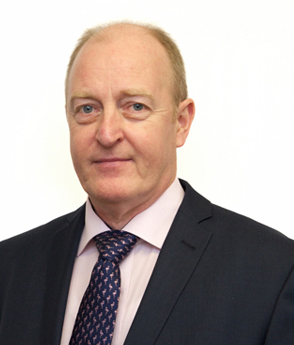
Watch: Hugh Phelan — Notary Public, Douglas, Cork
Who Can Be a Commissioner for Oaths in Ireland?
In Ireland, there are several categories of Commissioner for Oaths:
- Practising solicitors: Under the Solicitors Act 1954, every practising solicitor in Ireland is automatically a Commissioner for Oaths by virtue of holding a current practising certificate. This means there are thousands of Commissioners for Oaths across the country.
- Appointed Commissioners: Individuals who are not solicitors can also be appointed as Commissioners for Oaths by the Chief Justice. This is less common and typically applies to specific professionals or public officials.
- Peace Commissioners: Peace Commissioners have similar powers to witness certain statutory declarations and perform other witnessing functions, though their role is distinct from Commissioners for Oaths.
Because every practising solicitor in Ireland is a Commissioner for Oaths, this service is widely available. You can attend any solicitor's office to have an affidavit sworn or a statutory declaration witnessed. However, it is important to note that a solicitor who is acting for you in a legal matter should ideally not be the same person who witnesses your affidavit in that matter, to maintain independence.
Services Provided by a Commissioner for Oaths
The most common services provided by a Commissioner for Oaths include:
- Witnessing affidavits: For court proceedings — including family law, probate, debt recovery, judicial review, and commercial litigation.
- Witnessing statutory declarations: For name changes, passport applications, property matters, insurance claims, and government applications.
- Witnessing documents: Certain documents require a signature to be witnessed by a Commissioner for Oaths, such as certain company law forms.
- Certifying copies: For domestic use, a Commissioner for Oaths can certify that a photocopy is a true copy of the original document.
Commissioner for Oaths vs Notary Public: The Key Differences
This is one of the most important distinctions in Irish legal practice, and one that causes frequent confusion. Here are the key differences:
- International recognition: A Notary Public's seal is recognised by authorities, courts, and institutions worldwide. A Commissioner for Oaths' stamp is only recognised within Ireland.
- Appointment: A Notary Public is appointed by the Chief Justice of Ireland through a rigorous process and is commissioned for life. Most Commissioners for Oaths are solicitors who hold the power automatically.
- Qualifications: A Notary Public must hold the Diploma in Notarial Law and Practice from the Faculty of Notaries Public in Ireland, in addition to their legal qualifications. A Commissioner for Oaths needs only a practising solicitor's certificate.
- Scope of services: A Notary Public can perform a wider range of acts, including preparing notarial certificates, authenticating documents under the Hague Convention, and certifying documents for apostille.
- Seal: A Notary Public has an official notarial seal that is registered with the Department of Foreign Affairs. A Commissioner for Oaths has a stamp but no internationally recognised seal.
For a detailed comparison, see our guide on Notary Public vs Commissioner for Oaths.
When Do You Need a Commissioner for Oaths vs a Notary Public?
Use a Commissioner for Oaths when:
- Your document is for use within Ireland only
- You need an affidavit sworn for Irish court proceedings
- You need a statutory declaration for a domestic purpose (name change, insurance claim, etc.)
- You need a certified copy for an Irish authority
Use a Notary Public when:
- Your document is for use in another country
- A foreign authority has specifically asked for a "notarised" document
- You need a document apostilled or legalised
- You need a power of attorney for use abroad
- An embassy or consulate requires notarisation
The simple rule: If it's staying in Ireland, a Commissioner for Oaths is usually sufficient. If it's going abroad, you need a Notary Public.
Frequently Asked Questions
What is a Commissioner for Oaths?
A Commissioner for Oaths is a person authorised to administer oaths and take affidavits, statutory declarations, and other sworn documents. In Ireland, most practising solicitors are automatically Commissioners for Oaths. Their authority is primarily domestic — for documents used within Ireland.
What is the difference between a Commissioner for Oaths and a Notary Public?
The key difference is international recognition. A Notary Public's seal is recognised worldwide, while a Commissioner for Oaths' authority is generally limited to Ireland. A Notary Public is appointed by the Chief Justice and holds specialist qualifications, whereas most solicitors are automatically Commissioners for Oaths.
Can a Commissioner for Oaths notarise documents for use abroad?
No. A Commissioner for Oaths cannot notarise documents for international use. If your document needs to be used in another country, you need a Notary Public. Only a Notary Public's seal provides the international recognition required by foreign authorities.
Need a Commissioner for Oaths or Notary Public in Cork?
Hugh Phelan is both a practising Solicitor (and therefore a Commissioner for Oaths) and a Notary Public. Whether you need a document witnessed for Irish use or notarised for international use, Hugh can help. Dual-qualified in Ireland and England & Wales, he provides a one-stop service for all your witnessing and notarisation needs.
Contact Hugh Phelan's office today at 021-489-7134 or email info@phelansolicitors.com to book an appointment.
📚 Related Guides
Hugh Phelan — Notary Public Cork
Solicitor & Notary Public appointed by the Chief Justice of Ireland. Over 20 years' experience. BCL (UCC), dual-qualified Ireland & England/Wales.
📍 Notary Public Cork — Hugh Phelan
Need a Notary Public in Cork? Hugh Phelan is a Solicitor & Notary Public appointed by the Chief Justice of Ireland, based at East Douglas Street, Douglas, Cork. Same-day appointments available.
Looking for a Notary Public in Cork?
Hugh Phelan is a Solicitor & Notary Public appointed by the Chief Justice of Ireland. Same-day appointments available.
Notary Public Cork — Book Now📞 +353-21-489-7134 · East Douglas Street, Douglas, Cork
Also see: Cork Notary Public — Book Appointment