
Irish medical graduates are highly sought after worldwide. Whether you are planning to practise in the UK, Australia, Canada, the Middle East, or elsewhere, you will need to have your medical qualifications authenticated for the foreign medical regulatory authority. This process typically involves notarisation of your degree and supporting documents, apostille from the Department of Foreign Affairs, and potentially translation. This guide covers what is required.
Why Medical Documents Require Special Attention
Medical practice is one of the most highly regulated professions worldwide. Foreign medical councils and registration bodies need absolute confidence that your qualifications are genuine before granting you a licence to practise. The notarisation and apostille process provides the internationally recognised verification that these bodies require.
Documents You Will Need Notarised
- Primary medical degree: MB BCh BAO from an Irish university (UCC, UCD, TCD, RCSI, NUI Galway)
- Medical Council registration certificate: Your current registration with the Medical Council of Ireland
- Certificate of Good Standing: Issued by the Medical Council, confirming your registration status and disciplinary record
- Academic transcripts: Full academic record from your medical school
- Internship completion certificate: Evidence of completing your intern year
- Specialist qualifications: MRCPI, FRCSI, specialist register certificates, or other postgraduate qualifications
- Continuous professional development (CPD) records: Some countries require evidence of ongoing CPD
- Passport and birth certificate: Standard identity documents
Watch: Hugh Phelan — Notary Public, Douglas, Cork
Country-Specific Requirements
United Kingdom
Registration with the GMC (General Medical Council) requires verified primary medical qualification, Certificate of Good Standing, and evidence of English language proficiency. While Ireland and the UK have mutual recognition arrangements, notarised documents may still be required for certain categories of registration.
Australia
AHPRA (Australian Health Practitioner Regulation Agency) requires notarised and apostilled copies of medical qualifications, Certificate of Good Standing, and academic transcripts. The AMC (Australian Medical Council) may also require document verification.
Canada
The Medical Council of Canada (MCC) requires verified medical qualifications. Documents typically need to be notarised and apostilled. Individual provinces have their own licensing requirements.
Middle East (UAE, Saudi Arabia, Qatar)
Gulf countries have particularly extensive document requirements. All medical qualifications, certificates of good standing, and academic records typically need notarisation, apostille, and embassy attestation. The process can take several weeks.
United States
The ECFMG (Educational Commission for Foreign Medical Graduates) handles credential verification for international medical graduates. Documents are typically verified directly with the issuing institution, but notarised copies may be required for state licensing boards.
Certificate of Good Standing
The Certificate of Good Standing (or Certificate of Current Professional Status) is crucial for medical registration abroad. To obtain one:
- Apply to the Medical Council of Ireland through their online portal or by contacting their office directly.
- The certificate confirms your registration status, any conditions or restrictions, and whether any disciplinary findings exist.
- Processing typically takes approximately 10 working days.
- The certificate may have a limited validity period — some foreign regulators require it to be dated within 3 months.
The Notarisation Process
- Gather all documents: Collect your degree, transcripts, registration certificate, and Certificate of Good Standing.
- Book an appointment: Call 021-489-7134 or email info@phelansolicitors.com.
- Attend in person: Bring all original documents, passport, and proof of address.
- Notarisation: The notary certifies copies and affixes the notarial seal.
- Apostille: Submit to the Department of Foreign Affairs.
- Translation and embassy attestation: As required by the destination country.
Frequently Asked Questions
What medical documents need notarisation for practice abroad?
Commonly required documents include your primary medical degree, specialist qualifications, Medical Council registration, Certificate of Good Standing, academic transcripts, and internship completion certificates.
Do I need a Certificate of Good Standing?
Yes, almost always. It confirms your registration status and disciplinary record. Apply to the Medical Council of Ireland — processing takes approximately 10 working days.
How long does the process take?
Allow 4-8 weeks for the complete process including obtaining the Certificate of Good Standing, notarisation, apostille, and any required translation.
Need Documents Notarised?
Contact Hugh Phelan's office today. Call 021-489-7134 or email info@phelansolicitors.com. We're located at East Douglas Street, Douglas, Co. Cork.
📚 Related Guides
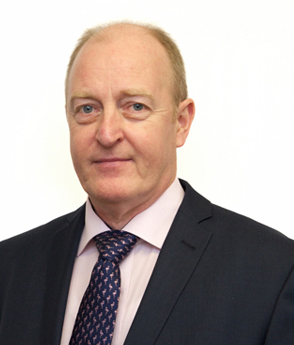
Hugh Phelan — Notary Public Cork
Solicitor & Notary Public appointed by the Chief Justice of Ireland. Over 20 years' experience. BCL (UCC), dual-qualified Ireland & England/Wales.
📍 Notary Public Cork — Hugh Phelan
Need a Notary Public in Cork? Hugh Phelan is a Solicitor & Notary Public appointed by the Chief Justice of Ireland, based at East Douglas Street, Douglas, Cork. Same-day appointments available.
Also see: Notary Cork City