
Applying for Irish citizenship by naturalisation is a significant milestone. The process requires extensive documentation to prove your identity, residence history, good character, and connection to Ireland. Some of these documents may need notarisation, particularly foreign documents that the Irish Naturalisation and Immigration Service (INIS) needs to verify. This guide explains what is required.
Eligibility for Naturalisation
To apply for Irish citizenship by naturalisation, you generally need to:
- Have lived in Ireland for a specified period (typically 5 years of reckonable residence in the 9 years preceding your application, including 1 year of continuous residence immediately before applying)
- Be of good character
- Intend to continue residing in Ireland
- Have made a declaration of fidelity to the Irish nation and loyalty to the State
Documents Required
Identity Documents
- Birth certificate: Original or certified copy, with translation if not in English or Irish.
- Current passport: And all previous passports covering your time in Ireland.
- National identity card: If applicable.
- Marriage certificate: If applicable, particularly if applying as the spouse of an Irish citizen.
- Divorce decree: If previously married and now divorced.
Residence Evidence
- GNIB/IRP registration cards: All registration cards covering your residence history.
- Employment records: P60s, payslips, and employment letters for each year of residence.
- Utility bills: Showing your address history in Ireland.
- Lease agreements: Covering your accommodation history.
Character Evidence
- Police clearance: From An Garda Síochána and from any country where you have lived.
- Tax clearance certificate: From Revenue confirming your tax affairs are in order.

Watch: Hugh Phelan — Notary Public, Douglas, Cork
When Notarisation Is Required
Notarisation may be required for:
- Foreign documents: Birth certificates, marriage certificates, divorce decrees, and police clearance certificates from other countries should be authenticated through the notarisation and apostille process of the issuing country.
- Statutory declarations: Some aspects of the application may require sworn declarations.
- Certified copies: The application requires certified copies of various documents.
Foreign Document Authentication
If your supporting documents were issued in another country, they need to go through that country's authentication process:
- Notarisation: In the country of origin.
- Apostille or legalisation: From the country of origin's foreign affairs department.
- Translation: Into English or Irish by a certified translator.
If you are already in Ireland and have original foreign documents, a Notary Public in Ireland can certify copies and provide sworn translations of certain documents.
The Process
- Check requirements: Review the INIS website for the current application form and document checklist.
- Gather documents: Collect all Irish and foreign documents.
- Authenticate foreign documents: Ensure foreign documents are properly notarised, apostilled, and translated.
- Book an appointment: For any Irish documents needing notarisation, contact Hugh Phelan's office at 021-489-7134.
- Submit application: With all authenticated and translated documents.
Frequently Asked Questions
What documents need notarisation for naturalisation?
Foreign identity documents, marriage certificates, divorce decrees, and police clearance from other countries typically need authentication. Some statutory declarations may also need notarisation.
Do I need to notarise foreign documents?
Yes. Foreign documents should be authenticated through the issuing country's process and translated into English or Irish.
How long does naturalisation take?
Currently approximately 12-23 months from application. Allow several weeks beforehand for document preparation.
Need Documents Notarised?
Contact Hugh Phelan's office today. Call 021-489-7134 or email info@phelansolicitors.com. We're located at East Douglas Street, Douglas, Co. Cork.
📚 Related Guides
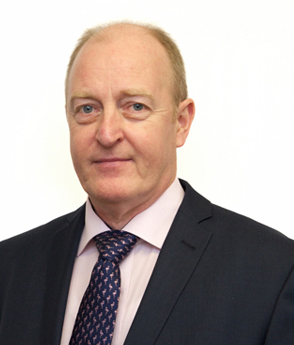
Hugh Phelan — Notary Public Cork
Solicitor & Notary Public appointed by the Chief Justice of Ireland. Over 20 years' experience. BCL (UCC), dual-qualified Ireland & England/Wales.
📍 Notary Public Cork — Hugh Phelan
Need a Notary Public in Cork? Hugh Phelan is a Solicitor & Notary Public appointed by the Chief Justice of Ireland, based at East Douglas Street, Douglas, Cork. Same-day appointments available.
Also see: Cork Notary Public — Book Appointment