
Getting Irish documents ready for use in another country involves a specific process that depends on the type of document and the destination country. Whether you need a certified copy of your passport for a visa application, a notarised power of attorney for a property purchase abroad, or authenticated corporate documents for an international business deal, this guide walks you through every step.
Understanding the Process
Certifying documents for foreign use typically follows a chain of authentication:
- Notarisation: A Notary Public verifies and authenticates the document.
- Apostille or legalisation: An official body confirms the notary's authority.
- Translation (if needed): The document is translated into the language of the destination country.
Each step builds on the previous one. The foreign authority receiving your document can then trace the chain of authentication back to verify the document is genuine.
Step 1: Notarisation
The first step is to have your document notarised by a Notary Public. Depending on the type of document, this may involve:
- Certifying a copy: The notary compares a photocopy to the original and certifies it is a true copy. Common for passports, birth certificates, degree certificates, and other official documents.
- Witnessing a signature: The notary verifies your identity and watches you sign the document. Common for powers of attorney, contracts, and declarations.
- Administering an oath: For sworn documents such as affidavits and statutory declarations.
- Authenticating a document: Verifying the authenticity and status of corporate or official documents.
To get a document notarised, you need to attend the Notary Public's office in person with the document, valid identification (passport preferred), and any instructions from the requesting party.

Watch: Hugh Phelan — Notary Public, Douglas, Cork
Step 2: Apostille (for Hague Convention Countries)
If the destination country is a member of the Hague Apostille Convention (which includes over 120 countries, such as Spain, France, the USA, Australia, and most of Europe), you will need an apostille from the Department of Foreign Affairs (DFA).
The apostille is a standardised certificate that authenticates the notary's seal and signature. It is attached to the notarised document and is accepted in all Hague Convention member states without further authentication.
You can obtain an apostille by:
- In person: Visit the DFA Authentication Unit at 80 St Stephen's Green, Dublin 2. Same-day service is usually available.
- By post: Send the notarised document to the DFA. Processing typically takes 5–10 working days.
Step 3: Embassy or Consular Legalisation (for Non-Hague Countries)
If the destination country is not a member of the Hague Convention (e.g., some countries in the Middle East, Africa, and Asia), you may need the document legalised by the embassy or consulate of the destination country.
The process typically involves:
- Notarisation by a Notary Public.
- Authentication by the DFA (even though an apostille is not used, the DFA may still need to authenticate the notary's signature).
- Legalisation by the relevant embassy or consulate in Ireland (or in a nearby country if there is no embassy in Ireland).
Each embassy has its own requirements and processing times. Check directly with the relevant embassy for their specific procedures.
Common Documents Certified for Foreign Use
- Passport copies: Certified copies for visa applications, university admissions, and employment abroad.
- Birth and marriage certificates: For immigration applications, foreign marriage, inheritance claims.
- Degree certificates and transcripts: For employment or further education abroad.
- Powers of attorney: For property transactions, banking, or legal matters in another country.
- Corporate documents: Board resolutions, certificates of incorporation, articles of association for international business.
- Statutory declarations and affidavits: Sworn statements for use in foreign legal proceedings or administrative processes.
- Police clearance certificates: For work visas and immigration applications.
Tips for Getting Documents Certified
- Start early: The full process (notarisation + apostille + embassy legalisation) can take several weeks. Do not leave it to the last minute.
- Check requirements first: Contact the foreign authority to confirm exactly what is needed. Requirements vary by country and can change.
- Bring originals: If you need certified copies, you must bring the original documents to the notary for comparison.
- Don't sign in advance: If the document requires your signature, bring it unsigned — the notary must witness you signing.
- Ask about translation: If translation is needed, the notary can often recommend a certified translator.
- Keep copies: Always keep copies of notarised documents for your own records.
Frequently Asked Questions
What is the process for certifying documents for foreign use?
The typical process is: (1) Notarisation by a Notary Public; (2) Apostille from the DFA (for Hague Convention countries) or embassy legalisation (for non-Hague countries); and (3) Translation if required.
How long does it take to certify documents for foreign use?
Notarisation can be same-day. An apostille takes 1 day in person at the DFA or 5–10 working days by post. Embassy legalisation varies. Plan ahead and allow plenty of time.
How much does it cost?
Costs include the notary's fee, the apostille fee, and any translation or embassy fees. Contact Hugh Phelan's office at 021-489-7134 for a notarisation quote.
Can I certify documents for foreign use in Cork?
Yes. Hugh Phelan is a Solicitor and Notary Public in Douglas, Co. Cork who can notarise documents for use in any country and advise on apostille and legalisation requirements.
Need Documents Certified for Abroad?
Contact Hugh Phelan's office today. We can handle the notarisation and advise on the full certification process. Call 021-489-7134 or email info@phelansolicitors.com.
📚 Related Guides
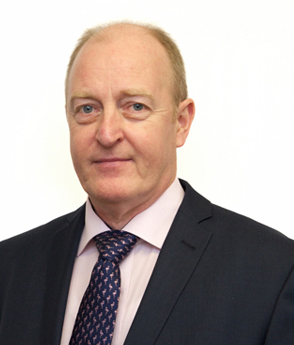
Hugh Phelan — Notary Public Cork
Solicitor & Notary Public appointed by the Chief Justice of Ireland. Over 20 years' experience. BCL (UCC), dual-qualified Ireland & England/Wales.
📍 Notary Public Cork — Hugh Phelan
Need a Notary Public in Cork? Hugh Phelan is a Solicitor & Notary Public appointed by the Chief Justice of Ireland, based at East Douglas Street, Douglas, Cork. Same-day appointments available.
Looking for a Notary Public in Cork?
Hugh Phelan is a Solicitor & Notary Public appointed by the Chief Justice of Ireland. Same-day appointments available.
Notary Public Cork — Book Now📞 +353-21-489-7134 · East Douglas Street, Douglas, Cork
Also see: Cork Notary Public — Book Appointment