
The digital nomad movement has gone mainstream. Dozens of countries now offer dedicated visas for remote workers, and Irish professionals are taking advantage in growing numbers. Whether you're a software developer, designer, consultant, or freelance writer, applying for a digital nomad visa almost always requires notarised documents. This guide covers what you need to know.
What Is a Digital Nomad Visa?
A digital nomad visa is a specialised residency permit that allows you to live in a country while working remotely for an employer or clients based elsewhere. Unlike tourist visas, digital nomad visas typically allow stays of 6 months to 2 years and may provide access to local services, tax advantages, and a path to longer-term residency.
Countries Offering Digital Nomad Visas
The number of countries with dedicated digital nomad visa programmes has grown rapidly. Popular destinations for Irish applicants include:
- Portugal: Digital Nomad Visa (D8) — minimum monthly income requirement, up to 1 year, renewable
- Spain: Ley de Startups Digital Nomad Visa — for remote workers and freelancers, up to 5 years
- Croatia: Digital Nomad Permit — up to 1 year, tax-exempt on foreign income
- Greece: Digital Nomad Visa — for non-EU nationals, but also relevant for tax planning for EU citizens
- Estonia: Digital Nomad Visa — pioneering e-Residency programme
- Barbados: Welcome Stamp — 12-month visa for remote workers
- UAE (Dubai): Virtual Working Programme — 1-year residency for remote workers
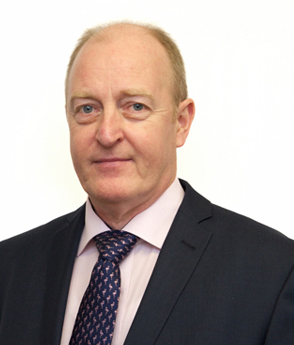
Watch: Hugh Phelan — Notary Public, Douglas, Cork
Documents Typically Required
While requirements vary by country, most digital nomad visa applications require some combination of the following notarised documents:
Proof of Employment or Self-Employment
A notarised letter from your employer confirming your role, salary, and permission to work remotely. Self-employed applicants typically need notarised copies of business registration documents, contracts with clients, or a statutory declaration confirming their self-employment status.
Proof of Income
Many countries set a minimum monthly income threshold. You may need notarised bank statements, tax returns, or accountant's letters demonstrating you meet the requirement.
Police Clearance
A Garda vetting disclosure or certificate of character, often required to be notarised and apostilled. Note that Garda vetting disclosures can take several weeks to obtain — plan accordingly.
Health Insurance
Proof of comprehensive health insurance valid in the destination country. Some countries require this to be notarised.
Academic and Professional Qualifications
Certified copies of degrees, professional registrations, or trade qualifications, particularly if you intend to provide regulated services.
Statutory Declarations
Some visa applications require sworn declarations about your circumstances — for example, declaring that you will not seek local employment or that you have no criminal convictions.
The Apostille Requirement
For countries that are members of the Hague Apostille Convention (which includes all the countries listed above), notarised documents also need an apostille from the Irish Department of Foreign Affairs. This authenticates the notary's signature and seal for international use.
Timing and Planning
Allow adequate time for document preparation:
- Garda vetting: 2–4 weeks or more
- Notary appointment: Same day or within a few days
- DFA apostille: Same-day (Dublin walk-in) or 5–10 working days (postal)
- Total: Allow at least 4–6 weeks from start to finish
Tax Considerations
While tax advice is beyond the scope of this article, be aware that working from another country may have tax implications in both Ireland and the destination country. Some digital nomad visa programmes offer tax exemptions on foreign income (such as Croatia), while others do not. Consult a tax advisor before relocating, and be prepared that tax authorities may require notarised documentation about your residency and income status.
Managing Affairs Back in Ireland
If you plan to be abroad for an extended period, consider:
- A power of attorney for managing financial or property matters in Ireland
- Arrangements for managing correspondence and post
- Tax filing obligations in Ireland during your absence
Frequently Asked Questions
What is a digital nomad visa?
A special residency permit allowing you to live in a country while working remotely for an employer or clients based elsewhere. Many countries now offer them with varying requirements.
What notarised documents do I need?
Commonly: proof of employment/self-employment, proof of income, police clearance, health insurance proof, academic qualifications, and statutory declarations. Requirements vary by country.
How long does the notarisation and apostille process take?
Notarisation can be same-day. DFA apostille takes 5–10 working days by post or same-day in Dublin. Allow 4–6 weeks total including document gathering.
Can I get Irish documents notarised while already abroad?
Options include Irish embassies, local notaries with apostille, or power of attorney arrangements. It's always easier before leaving.
Preparing for Your Digital Nomad Adventure?
Hugh Phelan can notarise all the documents you need for your digital nomad visa application. Contact Hugh Phelan’s office at 021-489-7134 or email info@phelansolicitors.com.
📚 Related Guides
Hugh Phelan — Notary Public Cork
Solicitor & Notary Public appointed by the Chief Justice of Ireland. Over 20 years' experience. BCL (UCC), dual-qualified Ireland & England/Wales.
📍 Notary Public Cork — Hugh Phelan
Need a Notary Public in Cork? Hugh Phelan is a Solicitor & Notary Public appointed by the Chief Justice of Ireland, based at East Douglas Street, Douglas, Cork. Same-day appointments available.
Looking for a Notary Public in Cork?
Hugh Phelan is a Solicitor & Notary Public appointed by the Chief Justice of Ireland. Same-day appointments available.
Notary Public Cork — Book Now📞 +353-21-489-7134 · East Douglas Street, Douglas, Cork
Also see: Cork Notary Public — Book Appointment