
Getting an Irish document accepted abroad isn’t a single step — it’s a chain. Each link in that chain builds on the previous one, and skipping a step means the document will be rejected. This guide walks you through the entire chain of authentication, from your initial visit to a Notary Public to final acceptance by a foreign authority.
The Three Links
The chain of authentication for Irish private documents consists of up to three steps:
- Notarisation — by a Notary Public
- Apostille or Authentication — by the Department of Foreign Affairs (DFA)
- Embassy Legalisation — by the embassy or consulate of the destination country (only for non-Hague countries)
Step 1: Notarisation by a Notary Public
The first and most important link. The Notary Public:
- Verifies your identity (passport, photo ID)
- Ensures you understand the document you’re signing
- Confirms you are signing voluntarily
- Witnesses your signature
- Attaches a notarial certificate with their seal and signature
- Records the act in their protocol (permanent register)
Why this step matters: The Notary Public’s seal is the foundation of the entire chain. Without it, the DFA cannot proceed, and the document has no international standing.
Time required: Usually completed in a single appointment, typically lasting 15–30 minutes.
Cost: Typically €65–€150 per document, depending on complexity.

Watch: Hugh Phelan — Notary Public, Douglas, Cork
Step 2: DFA Apostille or Authentication
The DFA verifies that the seal and signature on the document belong to a genuine Irish Notary Public. Depending on the destination country, the DFA then:
For Hague Convention Countries (120+ nations)
Issues an apostille — a standardised certificate that confirms the notary’s credentials. The apostille is the final step for Hague Convention countries. No embassy visit is needed.
For Non-Hague Countries
Issues an authentication stamp — confirming the notary’s credentials for the purpose of consular legalisation. The document then proceeds to step 3.
Time required:
- Walk-in (Dublin): Same day
- Postal: 5–10 working days
Cost: Typically €20–€40 per document.
Step 3: Embassy Legalisation (Non-Hague Countries Only)
For countries that have not joined the Hague Apostille Convention, the final step is presenting the DFA-authenticated document to the embassy or consulate of the destination country in Ireland (or in London/another European capital if there’s no embassy in Ireland).
The embassy confirms the DFA’s authentication and applies its own legalisation stamp. This tells the authorities in the destination country that the document has been fully verified through Irish channels.
Time required: Varies widely — from a few days to several weeks depending on the embassy.
Cost: Varies by embassy, typically €20–€100+.
The Two-Step Chain (Hague Countries)
For the majority of countries worldwide (Hague Convention members), the chain is shorter:
- Notary Public notarises the document
- DFA issues an apostille
That’s it. The apostille is accepted directly by the foreign authority. Total time: as little as 1–2 days if using DFA walk-in service.
The Three-Step Chain (Non-Hague Countries)
For non-Hague countries, the full chain applies:
- Notary Public notarises the document
- DFA authenticates the notary’s seal
- Embassy legalises the document
Total time: typically 2–6 weeks depending on the embassy.
Public Documents: A Shorter Route
Certain public documents — birth certificates, marriage certificates, court orders, and documents issued by government departments — already bear official seals. These can often go directly to the DFA without notarisation, shortening the chain:
- DFA issues an apostille or authentication (based on the official seal)
- Embassy legalisation (if needed for non-Hague countries)
What Breaks the Chain
Common mistakes that break the authentication chain:
- Using a Commissioner for Oaths instead of a Notary Public: The DFA will not recognise the stamp
- Skipping the DFA step: Going directly from notary to embassy will result in rejection
- Using an apostille for a non-Hague country: The embassy will require its own legalisation
- Submitting photocopies: Original notarised documents are required at each step
- Wrong notarial wording: Some countries require specific language in the notarial certificate
Cost Summary
- Hague countries (2-step): Notarisation (€65–€150) + DFA (€20–€40) = approximately €85–€190
- Non-Hague countries (3-step): Notarisation + DFA + Embassy (€20–€100+) = approximately €105–€350+
Frequently Asked Questions
What is the chain of authentication?
A three-step process: (1) Notarisation by a Notary Public, (2) Apostille or authentication by the DFA, (3) Embassy legalisation (non-Hague countries only).
How long does the full chain take?
From 1 day (Hague country, DFA walk-in) to 6+ weeks (non-Hague country with slow embassy processing).
Can I skip any step?
No. Each step verifies the previous one. Skipping any link means rejection.
Does the chain apply to all documents?
The full chain applies to private documents. Public documents (birth certificates, court orders) may skip the notarisation step.
Start the Chain Right
The chain begins with your Notary Public. Hugh Phelan, Solicitor and Notary Public, practises from East Douglas Street, Douglas, Cork. He can advise on the complete process for your destination country and ensure your documents are prepared correctly from the start.
Contact: 021-489-7134 or info@phelansolicitors.com.
📚 Related Guides
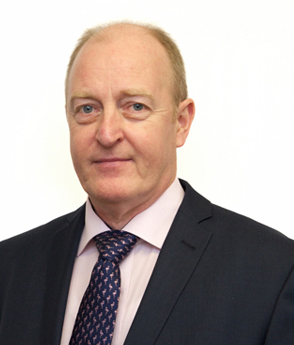
Hugh Phelan — Notary Public Cork
Solicitor & Notary Public appointed by the Chief Justice of Ireland. Over 20 years' experience. BCL (UCC), dual-qualified Ireland & England/Wales.
📍 Notary Public Cork — Hugh Phelan
Need a Notary Public in Cork? Hugh Phelan is a Solicitor & Notary Public appointed by the Chief Justice of Ireland, based at East Douglas Street, Douglas, Cork. Same-day appointments available.
Need Document Authentication for Abroad?
Hugh Phelan guides you through every step of the authentication chain.
Notary Public Cork — Book Now📞 +353-21-489-7134 · East Douglas Street, Douglas, Cork
Also see: Cork Notary Public — Book Appointment